
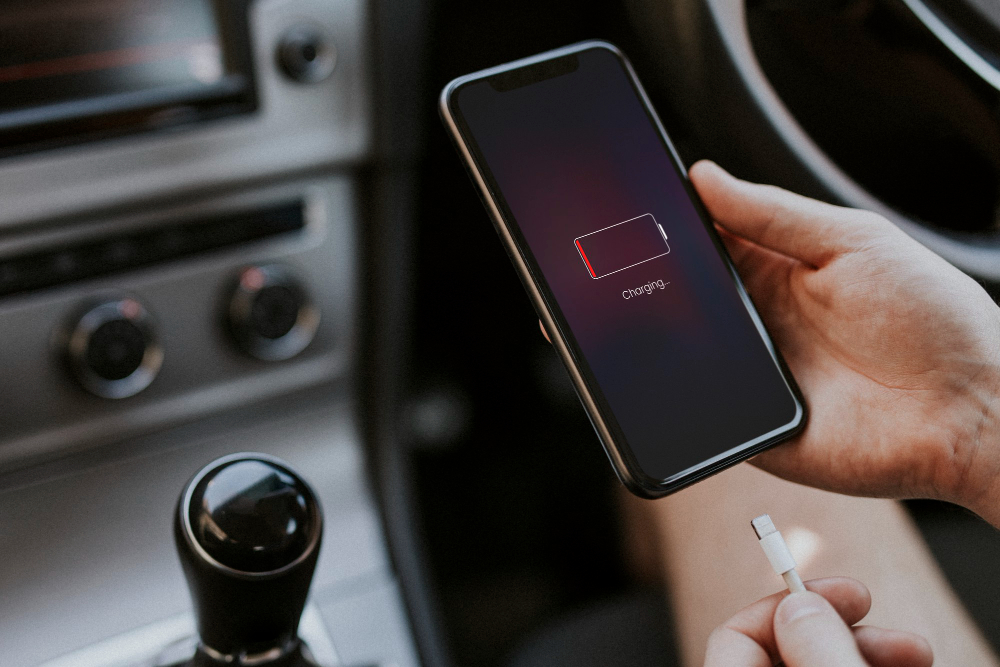
We Left 10 Popular Apps Running for 1 Hour Each — Here’s How Much Battery Each One Drained
We ran a controlled test that left 10 popular apps active for one hour each to measure real power use on a smartphone. The goal was simple: see how background processes and constant notifications affect daily phone life.
Our data show that streaming media, video players, and some games use notable hardware and data resources. Many users do not realize that services tied to notifications and background activity can shorten a device’s usable hours.
This short guide explains the way modern software interacts with your device settings and services. We also promise a clear list of the biggest culprits and practical tips to manage usage and extend phone power throughout the day.
– Controlled one-hour test for 10 popular apps to measure power use.
– Background processes, streaming, and notifications can cut phone life.
– The article will list top offenders and steps to reduce unnecessary consumption.
Understanding Battery Drain on Modern Smartphones
Despite faster processors and bigger screens, keeping a phone alive through a day remains a struggle. Modern smartphones are marketed as more powerful, yet daily charging is common for many users.
A U.K. study by Elevate found that several models now need a top-up each day, unlike phones from 2019 that often lasted longer. Hardware has improved, but the real-life battery life depends heavily on installed apps and how they run.
Open the Settings menu to see which titles use the most energy on your device. That view shows per-app use and helps you spot background tasks that cause excessive battery drain.
Understanding the link between software and power is the first step to better performance. Small changes to permissions and sync settings can extend smartphone battery longevity and the overall life of your device.
- Check usage via Settings to find heavy consumers.
- Prioritize updates and restrict background activity when needed.
- Balance features and energy to preserve daily phone life.
Identifying Which Apps Drain Battery Most Android Devices
Monitoring foreground time and background activity helps reveal which apps drain battery most android users face today.
Top Social Media Culprits
Short-form video platforms and modern social feeds pull heavy power from processors and radios. TikTok hit an estimated 825% of a full charge per month in reported tests, making it a top battery drain.
Threads used about 460% per month, largely because it runs background services. Snapchat consumed roughly 320% per month, with half of that coming from background processes and constant notifications.
Resource-Heavy Gaming Apps
Games that use GPS, constant screen redraws, and data streaming tax phone battery life quickly. Pokémon GO once pushed phones to their limits during its peak installs and shows how location and graphics spike usage.
- Check settings → battery usage to see hours each app runs in background.
- Limit background refresh and notifications for top offenders to extend daily life.
| App | Monthly % of Full Charge | Main Cause |
|---|---|---|
| TikTok | 825% | Continuous media, background activity |
| Threads | 460% | Background sync, notifications |
| Snapchat | 320% | Background processes, media |
The Role of Background Processes and Data Usage
Background processes quietly keep services updated, but they can stealthily shave hours off a single charge. These processes let apps gather data, sync content, and deliver notifications even when you are not using the device.
Many an app continues running tasks after you close it. That unseen activity is a prime cause of unexpected battery drain and poorer battery usage over a day.
The Impact of Constant Notifications
Push notifications wake the screen and trigger radio use. Each alert can prompt you to unlock the phone and interact, multiplying power use across the day.
- Limit background data for titles that do not need live updates.
- Turn off nonessential notifications in settings to reduce screen wakes.
- Restrict background activity for services that run without benefit to daily use.
Make sure to review per-app settings and stop unnecessary processes. Small changes to permissions and sync intervals yield notable improvements in overall battery usage.
Why Streaming and Social Media Apps Consume More Power
High-res streaming and social feeds push a phone to work harder, using extra power and data over time.
Netflix tops tests, claiming about 1,500% of a full charge in a month and roughly 13 hours of background activity logged. YouTube shows near 540% per month and can eat roughly 20% of your battery per hour of video playback.
Two factors explain that heavy usage. First, high-resolution streaming keeps the screen on and the processor busy. Second, background sync and continuous downloads keep radios active even when you switch away.
Long viewing sessions add up: users who spend dozens of hours on feeds or video will see those titles at the top of power lists.
- High-res playback and persistent background tasks drive steady power use.
- Constant data transfer and screen time raise overall device consumption.
| App | Monthly % of Full Charge | Background hours |
|---|---|---|
| Netflix | 1,500% | 13 |
| YouTube | 540% | — |
Hardware Factors Influencing Your Daily Battery Life
Hardware choices inside a phone shape how long it lasts under real use. Older trends, like the Samsung Galaxy S3 Neo in Q3 2016, remind us that parts and design set baseline performance.
The Effect of Location Services
Location services use GPS and tower signals to keep position data current. That constant radio activity consumes significant power and can cut usable hours fast.
Turn off location where not needed, or set apps to use location only while in use. This limits background tracking and saves energy without hurting core features.
Display and Screen Brightness
The screen is the single largest contributor to device usage when on. High brightness, long time-on, and adaptive features increase overall battery usage.
- Lower brightness or enable adaptive mode to reduce drain.
- Shorten screen timeout to save hours over a day.
- Limit background refresh for apps that do not need live data.
| Hardware Factor | Impact | Quick Fix |
|---|---|---|
| Location services | High power use from radios | Restrict to while-in-use |
| Display | Major contributor to energy use | Lower brightness, timeout |
| Processor & features | More features = higher draw | Disable unused services |
Essential Settings to Curb Excessive Power Consumption
Tightening a few system options can noticeably extend daily battery life. Start with simple changes that stop needless background activity.
Open Settings and check the battery usage report to see which app consumes the most power. Use that view to target fixes for the worst offenders on your device.
Turn off location services for apps that do not need GPS. Disabling unnecessary notifications also cuts radio and screen wakes and reduces background sync.
Enable battery saver mode when you need extra hours; it limits visual effects and reduces background services automatically.
- Restrict background data for apps you rarely use.
- Disable notifications from nonessential services.
- Check battery usage regularly and adjust app permissions.
These tips are quick to apply and offer real gains in phone runtime. Small changes to settings prevent needless activity and save power throughout the day.
Practical Strategies for Extending Your Daily Battery Life
A few focused steps let you manage background activity and extend phone life. These are simple, practical moves most users can apply in minutes.
Managing App Permissions
Limit permissions for location, microphone, and contacts. Apps with broad access often run services that pull power and data in the background.
Turn off permissions for titles that do not need them. This cuts unseen processes and reduces notifications that wake the screen.
Utilizing Battery Saver Modes
Enable the built-in saver to restrict background refresh, lower performance, and pause nonessential services. It offers a quick way to gain extra hours when you need them.
Removing Unused Applications
Delete unused apps to stop background processes and stray notifications. Removing clutter improves device responsiveness and reduces battery usage over the day.
- Review settings → battery usage to spot top offenders.
- Disable notifications for low-value services.
- Use a power bank like the CUKTECH 20 (25,000mAh) to recharge on the go when needed.
| Strategy | Primary Effect | Expected Hours Saved |
|---|---|---|
| Restrict permissions | Reduces background data and sensors | 1–3 hours |
| Battery saver mode | Limits background activity and visual effects | 2–5 hours |
| Remove unused apps | Stops hidden processes and notifications | 1–4 hours |
Conclusion
Tuning a few settings and pruning installed software delivers clear improvements. Monitor the usage view in settings to find high-use titles and remove what you no longer need.
Social media and streaming often lead the list of power users. Limit their background activity and cut permissions for location and sync to save energy.
Use battery saver when needed and review permissions for each app. These steps protect your smartphone battery and help keep your phone running through the day.
Take control of background processes and stay mindful of what runs unseen. That small effort preserves battery life and maintains a healthy device.

Noah Carter is a mobile tech writer focused on Android performance, minimalist phone setups, and lightweight app alternatives. He has spent years testing budget and mid-range devices to find practical tweaks that make everyday smartphones faster, simpler, and easier to use — without rooting, without bloat, and without unnecessary complexity. His work on News Mobile covers everything from battery optimization to accessibility setups for seniors.