
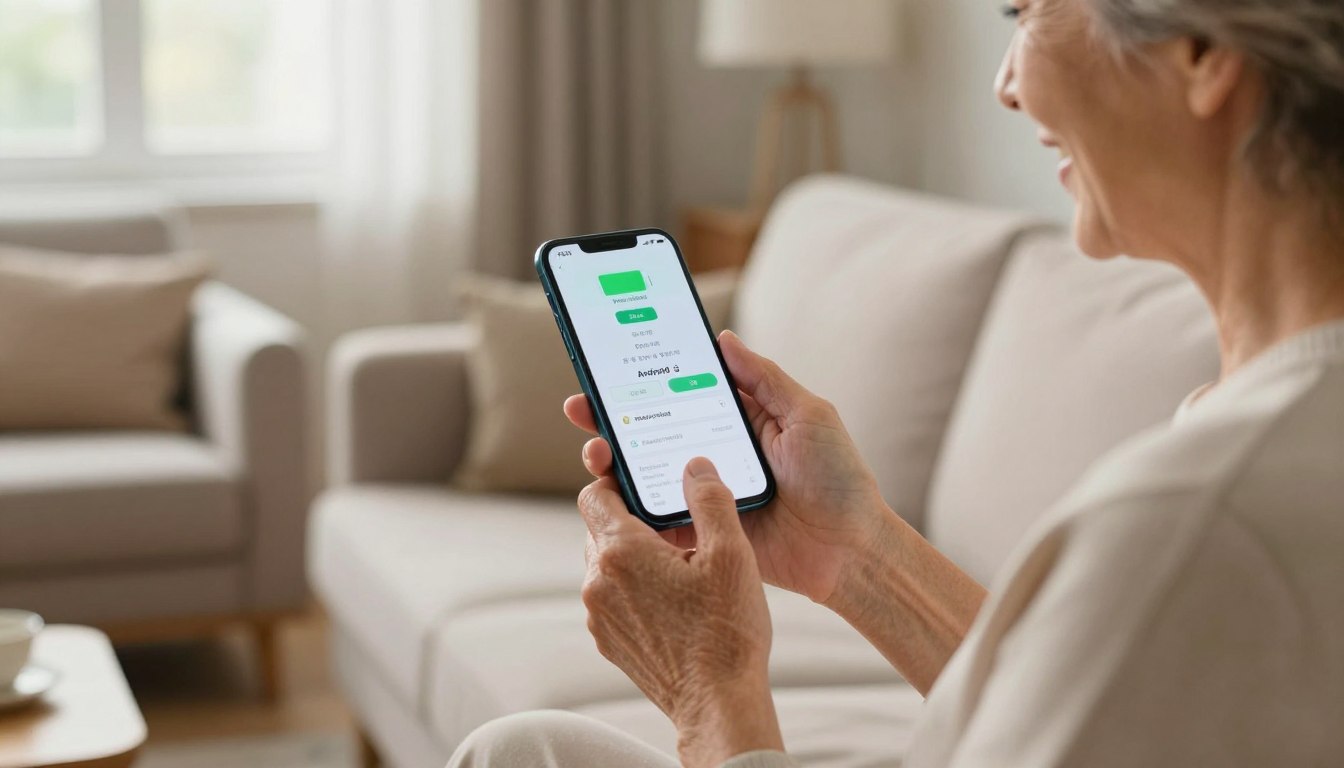
How to Set Up a Phone So a Senior Never Has to Worry About Running Out of Battery Mid-Day
Battery anxiety is one of the most common frustrations seniors report with smartphones. Not because the phone is bad — most modern Android phones ship with 5,000mAh batteries that should comfortably last a full day — but because the default settings are configured for a 25-year-old who charges twice a day and monitors their battery constantly. A senior who checks messages, makes calls, and uses the camera doesn’t have those habits, and the default settings work against them.
This guide is for people setting up a phone for an older parent, grandparent, or any senior who has expressed frustration about battery life. Every step below can be completed in about 20 minutes. None of them require technical knowledge to maintain once configured. The goal is a phone that reliably reaches end of day with battery to spare — without the senior having to manage anything themselves.
Step 1: Turn On Adaptive Battery
This is the most important setting to enable, and it takes 10 seconds. Go to Settings › Battery. On Samsung, tap More battery settings and enable Adaptive battery. On stock Android (Motorola, Nokia), look for Adaptive preferences or Battery optimization in the same menu.
Adaptive Battery uses Android’s machine learning to identify which apps the senior uses regularly versus which ones are installed but rarely opened. Apps in the second category are blocked from running in the background. Over two to three weeks, this typically adds 45 to 75 minutes of daily battery life with no visible change to the phone’s behavior. It requires no ongoing maintenance — the system continuously adjusts as usage patterns evolve.
Step 2: Turn Off Always On Display
Many Android phones ship with Always On Display (AOD) enabled. It keeps the clock and notification icons visible on screen even when the phone is locked. While this sounds useful, most seniors don’t find it necessary — they tap the screen or press the power button to check the time anyway. AOD typically consumes 5 to 8% of daily battery for a feature that serves a convenience most seniors don’t rely on.
On Samsung: Settings › Lock screen and AOD › Always On Display › toggle Off.
On other Android: Settings › Display › Lock screen › Always On Display › toggle Off.
Step 3: Enable Battery Protect (Samsung) or Adaptive Charging
Most seniors charge overnight, which means the phone reaches 100% around 1am and spends the next six hours in trickle-charging cycles — repeatedly topping up from 99% back to 100%. This sustained high-charge state accelerates battery aging over months and years.
Samsung’s Battery Protect feature fixes this automatically. When enabled, the phone charges to 85% and pauses, only finishing the remaining charge just before the time the senior typically wakes up. The senior still unplugs to a full or near-full battery every morning, but the battery spends far less time stressed overnight.
Enable it at: Settings › Battery and device care › Battery › Battery protection › toggle On.
On Google Pixel: Settings › Battery › Adaptive Charging. On most stock Android: look for Charging optimization or Optimized charging in the Battery menu.
Step 4: Lower Screen Brightness and Enable Auto-Brightness Correctly
The screen is the single largest battery consumer on any smartphone, accounting for roughly 40 to 45% of total power use during active use. Most phones ship with brightness set higher than necessary for indoor use.
Enable adaptive brightness: Settings › Display › Adaptive brightness (or Auto brightness) › toggle On. Then manually pull the brightness slider to about 40–50% of maximum. The phone will use this as a baseline and adjust upward automatically when the senior steps into bright sunlight. After a few days of use, the system learns the senior’s preferences and rarely needs correction.
This single change can recover 60 to 90 minutes of daily battery life on AMOLED-screen phones — which includes most Samsung Galaxy A-series devices.
Step 5: Set Screen Timeout to 30 Seconds
Many Android phones default to a 1-minute or even 2-minute screen timeout. If the senior sets the phone down mid-conversation or while reading, the screen stays on for up to 2 minutes drawing full display power before shutting off. For a senior who frequently leaves the phone on a table between uses, this adds up.
Set timeout to 30 seconds: Settings › Display › Screen timeout › 30 seconds. At first this may feel abrupt, but seniors adapt quickly and it typically goes unnoticed after a day or two. On One UI 7, this option also appears as a Power Saving toggle so you can enable it within the battery menu without navigating to display settings separately.
Step 6: Reduce Notification Volume for Low-Priority Apps
Every notification wakes the screen and processor briefly. For a senior who has 15 apps installed and receives dozens of notifications from news, weather, and shopping apps they never asked to enable, this creates constant micro-drains throughout the day. More importantly, it creates notification fatigue — the senior stops looking at the screen after the tenth irrelevant alert, meaning important calls or messages are missed.
Go to Settings › Notifications › App notifications. For each non-essential app (news, weather, promotional alerts, game invitations), tap the app and toggle off Allow notifications. Keep notifications on only for: Phone (calls), Messages/SMS, WhatsApp or messaging apps the senior actively uses, and any medical reminder apps. This takes about five minutes and permanently reduces screen wake-ups from notification noise.
Step 7: Restrict Background Activity for Unused Apps
Most phones sold to seniors come pre-loaded with apps — from carrier-installed software to manufacturer extras — that the senior will never open. These apps frequently run in the background anyway, syncing data and consuming battery for no practical purpose.
Go to Settings › Battery › Battery usage. Sort by usage. Any app in the top 10 that the senior doesn’t knowingly use should be restricted. Tap the app › Battery › select Restricted. Common culprits on Samsung and carrier-sold phones include Galaxy Store, Samsung Pay (if unused), Bixby, and carrier-specific apps. Restricting background activity for four to six unused apps typically adds another 20 to 40 minutes of daily life.
Step 8: Add a Battery Widget to the Home Screen
Once the settings above are in place, add a battery percentage widget to the senior’s home screen so they can see their charge level at a glance without opening Settings. On Samsung and most Android launchers, long-press the home screen › Widgets › search for Battery. Place it somewhere visible — top of the screen near the clock works well.
This single addition reduces the anxiety of not knowing the battery level. Seniors who can see at a glance that they’re at 68% at 4pm feel far less pressure than those who have to navigate into Settings to check — and far less likely to leave the house without charging.
The Full Setup Checklist
| Setting | Where to Find It | Expected Gain |
|---|---|---|
| Adaptive Battery ON | Settings › Battery › More battery settings | +45–75 min (builds over 2–3 weeks) |
| Always On Display OFF | Settings › Lock screen and AOD | +30–45 min |
| Battery Protect / Adaptive Charging ON | Settings › Battery and device care › Battery | Preserves long-term health; small daily gain |
| Auto-brightness ON + slider at 40–50% | Settings › Display | +60–90 min |
| Screen timeout → 30 seconds | Settings › Display › Screen timeout | +20–35 min |
| Non-essential notifications OFF | Settings › Notifications | +15–25 min + less missed calls |
| Restrict unused apps | Settings › Battery › Battery usage | +20–40 min |
| Battery widget on home screen | Long-press home screen › Widgets | Reduces anxiety, not battery (but prevents dead phone) |
Conclusion
A phone configured this way should add three to four hours of daily battery life compared to out-of-the-box settings — enough to take any senior from perpetual anxiety to comfortable end-of-day margin. The most impactful steps are the brightness adjustment, Adaptive Battery, and AOD. The others stack well and take under a minute each to implement. Once done, none of these settings require the senior to manage anything: the phone simply lasts longer, and the battery widget gives them the visibility to trust it.
If you’re setting this up for a parent or grandparent, consider writing the charger schedule down on paper and placing it next to where they usually charge — something as simple as “plug in before bed, unplug when you wake up” removes the last remaining variable from the equation.

Noah Carter is a mobile tech writer focused on Android performance, minimalist phone setups, and lightweight app alternatives. He has spent years testing budget and mid-range devices to find practical tweaks that make everyday smartphones faster, simpler, and easier to use — without rooting, without bloat, and without unnecessary complexity. His work on News Mobile covers everything from battery optimization to accessibility setups for seniors.