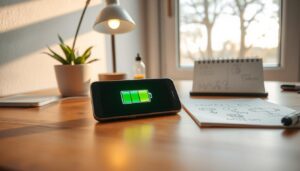
Hot summer sessions and heavy multitasking used to slow devices and drain batteries fast. This introduction gives a plain, data-driven look at five proven phone cooler picks that cut temps and kept performance steady in past tests.
You’ll get practical notes on real-time monitoring, one-tap cool actions, and background process control. We focused on measurable results and simple setup so you can use an app without constant fiddling.
Expect quick pros and cons, privacy flags, and compatibility tips. We note when a free app android or free program android matched paid suites and when upgrades were worth it for gamers or fast chargers.
By the end you’ll know which apps reduced CPU/GPU load, protected battery health, and avoided surprise slowdowns. The guide cuts through hype to point you to reliable solutions like cooler master and lightweight boosters such as booster 4.2 freea and 4.9 freea free.
Why phones overheat and how Phone cooling tools can actually help
When a device runs many high-demand tasks at once, internal temps climb quickly. Overheating often starts with heavy CPU and GPU activity from gaming, video recording, or intense multitasking. Add sun exposure, fast charging, or a tight case and the problem gets worse.
Common heat triggers
Gaming and long video sessions drive sustained load on the cpu and graphics cores. Charging while playing increases power draw and internal resistance, which raises surface temperature fast.
Direct sun and poor airflow trap heat. Background services and misbehaving apps can keep cores busy even when you think the device is idle.
What real cooling looks like vs. gimmicks
Legit software reduces workload by pausing or stopping background processes. That lowers CPU/GPU usage and avoids thermal throttling — a major cause of slowdowns and battery wear.
Gimmicks promise instant hardware drops without showing metrics. Effective apps show charts, process lists, and clear alerts so you can take one-tap action. Look for transparency about what they stop and how aggressively they use process management.
Practical habits matter too: don’t game while charging, remove thick cases during heavy sessions, and combine airflow with smart app controls for the best results.
How we evaluated cooling apps in real conditions
We tested a dozen-plus contenders outdoors to see which ones actually cut heat and kept performance steady. Tests used three Android phones—a low-end, a mid-range, and a flagship—so results match what most users will see.
Past testing setup: devices, temperatures, and metrics
We recreated hot-weather stress by running demanding tasks while ambient temps stayed between 38–45°C. Each device ran the same workload and we logged readings minute-by-minute.
Every app android and related tool was installed cleanly and tested multiple times to avoid flukes. We also noted how transparent each app was about the processes it paused or stopped.
What we measured: CPU temperature, time to cool, battery drain, process control
Key metrics included initial vs. final cpu temperature, time-to-cool, and battery impact during cooldown. We used a monitor approach to confirm that temp drops matched reduced CPU/GPU load.
Process control quality mattered: apps that targeted heat-heavy background tasks without breaking core functions scored higher. We logged battery drain to ensure an app didn’t “cool” by burning more power than it saved.
Final rankings favored apps that delivered quick, repeatable drops, low battery cost, and clear process lists so users know what changed on their device.
Cooling Master – Phone Cooler: real-time temperature monitor and rapid cool-down
A responsive app that watches temps in real time makes overheating a manageable problem.
Cooling Master tracks CPU, GPU, and RAM to spot heat sources and notifies you when action is needed. The app offers a one-tap cool-down and an auto-smart device cooler that restarts heat-heavy background apps to lower load.
Key features
One-tap cool-down, background operation, and smart charge for extra protection while connected to power. The interface shows live charts and explains which apps get paused.
Test results
In our tests Cooling Master produced a 4–5°C drop within minutes. A Redmi Note 12 Pro cooled 4°C in about three minutes while multitasking, with smoother frame rates afterward.
Pros and cons
Pros: friendly UI, clear process lists, and reliable master-level cooling with minimal setup. Cons: stopping background apps can interrupt notifications or workflows; use exclusions to avoid missed alerts.
Phone Cooler Master: lightweight phone cooler with thermal feedback
Not every app needs a laundry list of features to bring down core temperatures quickly. Phone Cooler Master focuses on a single job: detect heat fast and reduce workload without extra battery or RAM boosters that add clutter.
Who it’s for
This app suits users who value speed and a tidy interface. If you want no bloat and fast detection, the master-focused approach gives clear thermal feedback and hot-app alerts in seconds.
Performance notes
The UI is clean and shows temperature and workload at a glance. In our Moto G73 trial the app dropped temps about 3.7°C in four minutes, a solid result for a lightweight utility.
As a cpu cooler, it pauses high-drain background processes while leaving essential services running. That keeps interruptions low but still trims core load quickly.
Compatibility can vary. The stripped-down design means fewer compatibility layers, so some devices may not see full feature support. Pair it with a deeper monitor later if you need logs or automation.
Assistant for Android – Cooler Tool: all-in-one cleaner, monitor, and cpu cooler
Assistant for Android bundles system monitoring, a storage cleaner, and an auto-detect cooler into one tidy dashboard. It watches active processes and gives real-time alerts so you can act fast or let automation handle heat spikes.
System monitoring, auto-stop hot apps, and real-time alerts
The tool shows CPU load, storage use, and active services at a glance. When it detects a heat source, the cooler auto-stops hot apps to reduce cpu and GPU strain.
In our trial the suite produced about a 4.0°C drop and noticeably smoother multitasking. Alerts pop up when temps climb so you can tap to cool or allow scheduled actions to run.
Free vs. locked features: what you get without upgrading
The free app android tier covers core monitoring, basic cleaning, and automatic cooling. That makes it a strong free program android choice for most daily users.
Advanced cleaners, deeper automation rules, and priority support may be locked behind upgrades. Consider pairing this tool with a master phone cleaner or booster if you need tighter storage or startup control.
Permissions matter: tailor automation to avoid closing services you rely on for notifications. For a single-dashboard approach that reclaims space and keeps the device stable, Assistant for Android is a practical pick with room to grow.
One Booster – Speed & Cool Down: game booster and cooler in one app
If you want a single solution that prepares a device for long sessions, One Booster packs speed tuning and heat control into one friendly package.
It uses AI to close background, heat-draining apps and adds a built-in cleaner to trim junk that wakes indexing and services. In our tests the app produced a 4–5°C drop and snappier frame rates after cleanup.
Cooling plus speed: junk cleaner, cpu cooler, battery gains
One Booster doubles as a game booster and cpu cooler. You get faster load times, steadier frames, and modest battery improvements after background tasks are paused.
Watch-outs: aggressive RAM killing and app behavior
The downside is the aggressive RAM-killing approach. That can close messengers or music players unless you whitelist them.
Enable targeted exclusions and test behavior before trusting scheduled runs. If you prefer subtle control over brute force, try booster 4.2 freea first to see the fit.
Overall, One Booster is best for gamers and heavy multitaskers who want one-tap prep. Tune settings to balance master speed booster effects and to avoid losing important background services.
Device Info HW + Thermal Monitor: advanced temperature monitor for power users
If you like data over guesswork, this app gives a clear readout of what makes your device run hot. It focuses on visibility rather than automatic fixes, so you learn what to stop, change, or test.
Thermal sensors, logging, and heat maps for manual control
Device Info HW exposes CPU and GPU sensors, offers minute-by-minute logs, and draws heat maps that show which cores spike during a task.
Power users benefit most. Use the live charts to spot runaway apps, then force stop or uninstall the culprit. That manual action often caused about a 4°C drop in real use when paired with lighter workloads.
The app is ideal as a verification layer. Run it alongside a dedicated cooler or background manager to confirm real reductions in cpu load and temperature over time.
Expect a learning curve, but the payoff is precise diagnostics. Use the logs to compare behavior across firmware updates, cases, or charging habits before you contact support or change settings.
CPU Monitor: device temperature tips, battery health, and multi-core tracking
CPU Monitor gives you a clear, live view of what makes your device run hot and where to act fast.
Real-time CPU usage and frequency with cooler tips
See per-core cpu usage and frequency in real time to spot apps that drive heat and slowdowns. The display shows which core is busy and how often it hits top frequency.
The app also lists practical tips to reduce temperature. You get battery details like voltage, power, health, remaining time, and charging progress. That makes it easy to connect temperature spikes to charging behavior.
User feedback: noticeable cooling during charging and long sessions
Recent reviews praise cooler charging and better performance during hot weather. Many users report smoother multitasking after following the app’s suggested cooldown steps.
Privacy-conscious design is a plus: the Play Store listing notes no data shared or collected and encryption in transit. That makes CPU Monitor a solid choice for anyone who wants a lightweight monitor and action plan without a full cleaner suite.
Pair it with an active cpu cooler or process controller for verification and fine-tuning. Use the master view to catch declining battery health early and avoid long-term thermal wear.
Phone cooling tools: choosing the right app for your device and use case
Picking the right app can cut heat fast and match the way you use your device. Below are clear winners from our hot-weather tests and tips to pick what fits your routine.
Top picks by use case
Best Overall: Cooling Master — fast one-tap drops, smart background control, and live charts that make cooling simple and effective.
Best Lightweight: Phone Cooler Master — minimal permissions, quick detection, and thermal feedback without bloat. Great for basic needs.
Best Toolkit: Assistant for Android — combines a cleaner, monitor, and auto-actions for users who want an all-in-one dashboard.
Best for Techies: Device Info HW + Thermal Monitor — sensor logs and per-core graphs let you target manual fixes precisely.
How to decide
Consider habits: gamers often prefer a booster-style app; commuters may want quiet automation and alerts. If you value simplicity, pick one-tap cooling. If you want control, choose per-process management or a master cpu cooler with detailed logs.
Make sure the app matches your Android version and OEM background rules. Start with free tiers to validate results, then upgrade only if advanced automation or ad removal is worth it.
Set up and use a phone cooler app the right way
Kick off with a single tap to get instant relief from high temps before you dig into settings. That one-tap cool-down gives breathing room while you check what caused the spike.
One-tap cool-down, monitoring charts, and auto-stop settings
After the quick drop, open the monitoring charts to see which apps pushed CPU load. Look for steady drops right after the action — that shows effective background control.
Enable auto-stop for hot apps but whitelist essentials like messaging or music to avoid missing alerts. If your device limits background activity, grant the app the permissions it asks for so it can run reliably.
Turn on charging safeguards if offered and keep overheating notifications enabled. Schedule periodic cleanups if the app includes a cleaner, and remove bulky cases during intense sessions.
Review logs weekly to spot repeat offenders and tweak sensitivity to balance help with fewer pop-ups. Small steps like these keep temperature spikes rare and performance steady.
Pro moves to prevent heat: dark mode, airflow, and smarter charging
A few quick adjustments to settings and handling will stop many heat spikes before they start. These steps work alongside any app you use for monitoring or active cooling.
Remove thick cases, avoid gaming while charging, enable battery saver
Switch to dark mode and lower screen brightness to cut display power draw. That reduces visible heat during long sessions.
Avoid gaming while charging. Playing and charging together multiplies thermal stress on the cpu and battery. Cool the device first, then play.
Take thick back covers off during heavy use to improve airflow. Keep the device out of pockets, bags, and under pillows when running demanding apps.
Turn on battery saver to limit background syncs and tame cpu spikes. Use short, frequent top-ups instead of marathon fast-charging in hot weather.
Use booster features sparingly and tune auto-kill settings so essential apps keep running. A light cooldown break every hour helps prevent sustained buildup.
Combine these physical moves with smart software choices for the best results. Over time these small habits are a cool way optimize performance, battery life, and comfort.
Privacy and safety: what these apps collect and how they run
Before granting permissions, check how an app handles data and background process control. That simple step keeps notifications working and avoids surprises from hidden telemetry.
Background process management, data practices, and ads
Review permissions carefully. Reputable apps explain why they need access to pause services and show clear actions taken. Look for pause lists or whitelists so critical apps stay open during a cooldown.
CPU Monitor sets a high bar: no data shared with third parties, no data collected, encryption in transit, and data that can’t be deleted. Use that posture as a benchmark when you test other options.
Expect ads in many freea free app and freea free program offerings. Ads can raise CPU and battery use, so compare ad-supported results to ad-free performance before you trust any cpu cooler phone or cleaner.
Finally, check whether usage data stays on-device or if telemetry is sent to servers. If you care about tracking, test a privacy-forward app first and compare how each app android handles both permissions and interruptions.
Compatibility and performance: Android versions, devices, and features
Different Android builds and OEM firmware shape how an app behaves on any given device.
Vendor thermal policies may restrict background activity. That limits what a cooler can pause or stop. Budget devices often benefit most from simple auto-stop routines. Flagships tend to pair better with advanced monitoring dashboards and per-core readouts.
Check Play Store listings for Android version support and model notes before installing. Read recent release notes and reviews for your exact model to see hardware-dependent features.
Ad-supported builds can behave differently across models, so watch resource use during a cooldown. Apps that honor OEM battery optimization usually run more predictably after OS updates.
If background limits block a feature, try a monitor-focused option plus manual control. Test two or three options to find what fits your firmware and daily routines. Stay current with updates—developers often refine compatibility and cpu detection accuracy over time.
Free app Android vs. full version: ads, locks, and value
Try a no-cost tier first to confirm real temperature drops before committing to a paid upgrade.
When a free program Android is enough—and when to upgrade
Free tiers often cover core monitoring and basic one-tap cooldowns. For many users, a free program android removes spikes and shows live charts with minimal fuss.
If ads disrupt performance or you need scheduled automation for long gaming sessions, a full version app may be worth it. Paid builds usually remove ads, add deeper automation, and unlock advanced analytics.
Consider bundled value. A phone booster cleaner or master phone cleaner that replaces several apps can save space and simplify maintenance. Check whether a version app android truly replaces your existing utilities.
Watch promotions and ratings like 4.2 freea free or 4.9 freea free, but weigh real features and privacy. Test the freea free app or freea free program on your exact device and Android build before buying.
If you rely on aggressive master speed booster or booster 4.2 freea features, make sure the app offers exclusions and restore options. Look for trial periods or refund policies so you can validate results risk-free.
Monitor battery health alongside cooling
Look beyond instant cool-downs: long-term battery wear fuels repeated heat spikes. Tracking battery health helps you avoid gradual thermal throttling and keeps performance steady over months of use.
Why tracking wear prevents throttling
CPU Monitor reports power, voltage, temperature, health, remaining time, and charging progress. Use those readings to spot rising internal resistance that raises heat during heavy loads.
Pair a battery app like AccuBattery with a phone booster cleaner routine to track capacity loss and tweak charging habits. Master phone cleaner steps—trim autostart apps and remove widgets—reduce idle waste and lower baseline temps.
Watch trends during gaming and charging to adjust session length or power levels. Set custom alerts when battery temperature hits unsafe thresholds so you can act before throttling starts.
Validate results with per-core and per-session logs over weeks. This integrated approach extends battery life and keeps peak cpu performance available when you need it.
Stay cool and keep performance sharp: your next step to a cooler phone
Choose the app that fits how you use your device—fast one-tap action, a tiny lightweight monitor, or a pro-grade diagnostic suite.
Start on a free tier and confirm real drops of 3–5°C before you upgrade. If gaming matters, enable booster modes and set whitelists so essentials stay running.
Combine software with airflow, smarter charging, and case management for the best results. Revisit settings after a week to tune exclusions and alert thresholds.
Want a balanced default? cooling master is a reliable pick for quick results. Prefer lean control? phone cooler master gives clear feedback without bloat.
Track results with charts and logs so you can see the impact of a cpu cooler or manual changes. Install, set alerts, and make this a cool way optimize daily performance.